Search

GET MOVING!

Injury prevention, recovery tips, and orthopedic insights — stay informed with OrthoConnecticut’s blog.

Bone Marrow Aspirate Cell ConcentrateTreatment

Bone Marrow and its Healing Properties: Understanding BMAC Treatment (Bone Marrow Aspirate Cell Concentrate Treatment)

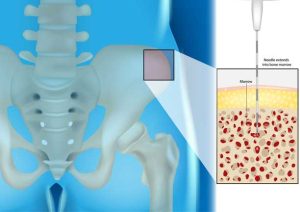
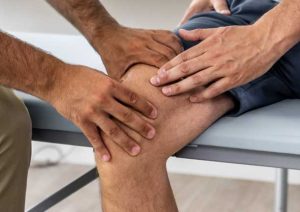
Let’s say you tore a ligament skiing or have just undergone a procedure to repair torn cartilage, you might have a touch of arthritis in your shoulder that is bothering you. Your doctor may recommend a procedure called BMAC or Bone Marrow Aspirate Stem Cell Concentrate treatment to help the healing process along. It sounds a little wordy, but it just might be the last piece of the puzzle in overcoming an injury. What is BMAC? By now, many people have some awareness that the medical world is able to use the body’s bone marrow to harvest stem cells, which can be used in specific ways to heal the body. One such element is Bone Marrow Aspirate Stem Cell Concentrate (BMAC), which is a component of your bone marrow that contains growth factors and anti-inflammatory proteins, which have been shown to promote bone and soft tissue healing as well as reduce symptoms of pain related to injuries, tendinitis and arthritis. What injuries can be helped by Bone Marrow Aspirate Cell Concentrate treatment? Chronically painful areas of the body often do not have adequate blood supply, healing potential, and regenerative cells to repair the damage. That’s where BMAC is highly useful. BMAC, applied to the right area, can provide a rich supply of regenerative cells with the ability to replicate into various types of tissue. It has tremendous potential for patients with moderate to severe orthopedic conditions or injuries, and is often used to treat severe arthritis in the shoulder, knee, and hip. How is BMAC treatment performed? This procedure is typically done under anesthesia and consists of  simple needle punctures to the affected joint. Stem cells are collected from the bone marrow by inserting a needle into the intramedullary (innermost) space of the bone. The aspirated blood is then centrifuged
Read More ›
HighArches

High Arches, aka Cavus Foot: What You Need to Know

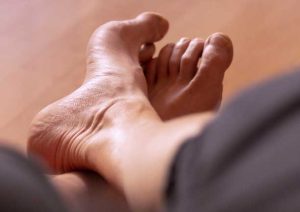
What is Cavus Foot? Medically reviewed by Dr. Randolph Sealey Our bodies come in all shapes and sizes. Even our feet vary extensively from one person to another. While babies’ feet, as cute as they are, often look quite similar to other babies’ feet, by the time we are full grown, foot structure varies enormously. While some people have very flat feet with low arches, others may have high arches, where the foot often looks as if it is pointing at all times.  Cavus foot is a condition where an abnormally high arch of the foot results from an excessive amount of body weight being directed to the ball and heel of the foot. Cavus foot can be congenital or acquired, may develop at any age, and can affect one or both feet. Cavus foot may lead to foot pain and instability, and depending on the severity and degree of pain, patients may need to contact a Foot and Ankle orthopedic specialist for help. Causes of Cavus Foot This condition can be caused by a wide variety of factors, but is generally a normal variance caused by genetics. It can be present at birth and the result of an inherited structural abnormality. In many cases, however, cavus foot develops slowly – later in life – as the result of a nerve or muscular disorder. Stroke, cerebral palsy, spina bifida, Charcot-Marie-Tooth disease and other medical conditions can cause cavus foot to develop. How do I know I have Cavus Foot? The most obvious symptom of Cavus foot is a high arch that is present even when the person is standing. Because a Cavus foot results in an excessive amount of pressure in the ball of the foot and heel, the person may experience foot pain, ankle instability, and calluses on the sole

Read More ›
Medial-Patellofemoral-Ligament-Reconstruction

Stressed Knees: Inside MPFL Reconstruction

Did you know? The knee is one of the body’s most intricate joints. As the largest and most complex joint in the body, it joins together the thigh bone, shin bone, fibula (on the outer side of the shin), and kneecap. As it is essential for movement, the knee is also one of the most stressed joints in the body and is quite vulnerable to injury.

Read More ›
scoliosis

Understanding Adolescent Idiopathic Scoliosis

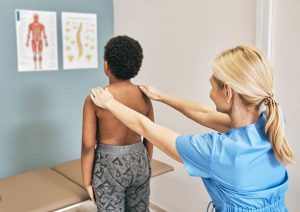
What is Scoliosis? Scoliosis is a sideways curvature of the spine. When looking at the spine directly from the back, it should appear as a straight line. With scoliosis, the spine appears to curve to one side, or both. The curving can involve twisting of the vertebrae which may be less perceptible to a nurse or a physician during a medical exam. A small percent of children are born with scoliosis (called congenital scoliosis), but a majority of scoliosis cases develop in children during their adolescent and teen years, particularly during their growth spurt (generally between the ages of 10 and 15).  OrthoConnecticut has several orthopedic specialists who specialize in the treatment of congenital and idiopathic scoliosis.   What Causes Adolescent Idiopathic Scoliosis in Children? In about 80% of cases, there is no known cause for scoliosis.  This is called idiopathic scoliosis.  Most cases of scoliosis in adolescents and teens fall into this category, which is why it is often referred to as Adolescent Idiopathic Scoliosis. Childhood Scoliosis Risk Factors  Scoliosis is fairly common. Approximately 5-10 percent of the population has scoliosis. The total number of scoliosis cases in the United States is estimated to be greater than 4 million (National Scoliosis Foundation) and it is the most common spinal deformity in school-age children. Heredity is a risk factor for developing scoliosis. Among patients with relatives that have scoliosis, about 20 percent develop the condition. In addition, less common causes of scoliosis include certain neuromuscular conditions, such as cerebral palsy or muscular dystrophy, as well as birth defects affecting spinal development and spinal cord abnormalities. Spinal injuries or infections may also cause scoliosis in a few cases. While both boys and girls are equally at risk for scoliosis, girls are at a significantly higher risk of developing significant curving (more severe

Read More ›
juvenile-arthritis

OrthoConnecticut Helps Build Awareness of Juvenile Arthritis

July is Juvenile Arthritis (JA) awareness month and OrthoConnecticut is helping to raise awareness. Things to do – learn about JA, wear a blue ribbon, cook an anti-inflammatory recipe, make a donation, help raise awareness by telling your story, and host or attend a community event. Did you know? 300,000 – that’s how many children 16 or younger in the United States have JA (also known as pediatric rheumatic disease). For these kids (and their caregivers) an arthritic flareup frequently means coping with not only the physical symptoms of the disease but the emotional impact on kids including pain, loneliness, and depression resulting from lack of engagement in normal childhood activities with friends and family. What is JA? JA is a group of inflammatory and rheumatic diseases, but most children with JA have an autoimmune type where the immune system mistakenly views healthy tissue/cells as foreign invaders, and mistakenly perceives the need to fight these “invaders” creating arthritic pain in joints where two bones meet. Joint symptoms commonly include swelling, tenderness, warmth, stiffness, and inflammation. Less common symptoms include skin rash symptoms, eye pain/sensitivity, diarrhea, bloating, shortness of breath, fatigues, fever, or heart issues. Symptoms are broad because there are many types of JA including: juvenile idiopathic arthritis, juvenile myositis, juvenile Lupus, juvenile scleroderma, vasculitis, and fibromyalgia. OrthoConnecticut helps treat several types of Juvenile Arthritis and can work with your pediatrician and/or pediatric rheumatologist to prescribe the right treatment. Tips to Manage JA Healthy Eating for JA Kids with JA need to balance food for healthy growth and development while limiting those that are inflammatory. Arthritis.org recommends focusing on a diet with whole, unprocessed foods, whole fruit, vegetables, whole grains, legumes, and fatty fish. Food to emphasize in the diet include: Avoid or limit foods that can cause inflammation including:

Read More ›
Signs of a Concussion in a Child

Signs of a Concussion in a Child

Medically reviewed by Angelo Ciminiello, M.D. Though common, not many people know the signs of concussions in children, which causes many cases to go unnoticed.  Because children’s brains are still developing, they’re more at risk of experiencing severe side effects from getting a concussion, especially if that concussion goes undiagnosed or the child receives multiple concussions. What is a Concussion? A concussion is a type of traumatic brain injury caused by a blow to the head or a hard hit to the body that makes the head quickly snap backward or forward. These hits cause the brain to bounce or twist in the skull, changing the brain’s chemicals and stretching or damaging brain cells. Concussions can commonly occur while playing sports, and children can also get a concussion from a hard fall, a car or bicycle accident, or being in a fight.  Concussions are serious injuries. While not normally life-threatening, you should be aware of the possible serious side effects that can occur. Signs of a Concussion in a Child The first sign of a concussion in a child is an accident. If your child has been struck on the head or taken a fall and presents any of the following symptoms, they might have a concussion. Signs may include:  Some symptoms, like a worsening headache or trouble sleeping, can show up hours after the accident. If a child is reinjured before fully healing from a concussion, they risk longer lasting and more serious side effects. Caring for Concussions in Children Children heal from concussions at their own speed. Generally, they should start to feel better and begin to return to their normal activities after a few weeks. During the first days after a concussion, your child should avoid physical activity and remain at home doing calm tasks and avoiding

Read More ›
Custom Orthotics

Are Custom Orthotics Worth It?

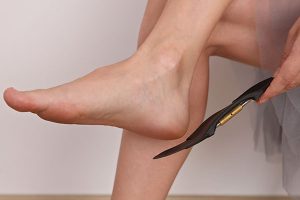
If you’ve been experiencing bothersome pain in your legs or feet, you should consider getting an orthotic. Orthotics provide fantastic foot support that can reduce discomfort and pain in your feet, legs, hips, and back. People young and old use orthotics to alleviate their discomfort. While some buy orthotics in the store, others choose to spring for a pricier custom orthotic. So, what’s the difference between the two? And are custom orthotics worth it? What Are Custom Orthotics? Custom orthotics are a medical device that you insert into a pair of shoes to support your feet, ankles, and legs as you walk. Custom-made orthotics are tailored to your feet, meaning they provide even more support by correcting unbalanced steps. They are used to treat a variety of conditions, such as: Orthotics also act as shock absorbers and help to prevent injuries, which is why many athletes use custom orthotics. The shock absorption technology that custom orthotics use reduces pressure and stress from the feet and ankles, which can lead to healthier joints in the long-term. Custom orthotics also do a better job at providing support than store-bought orthotics because they are tailored to your foot, height, size, weight, and medical condition. Is it Worth Getting Custom Orthotics? While a regular orthotic may cost between $50 and $200, custom orthotics are usually much more expensive — between $200 and $800. Although this seems like a lot of money, custom orthotics offer many benefits that store-bought ones do not; and they are much more effective. Why? The science of correcting your gait in a way that aligns and supports your foot, ankle, knee, and hip is very complex and extremely difficult. When you are being fitted for custom orthotics, the specialist will analyze each of these components to design an orthotic that

Read More ›
Knee Pain

Knee Stress Fracture Symptoms You Shouldn’t Ignore

Key Takeaways Everyone experiences occasional pain in their knee(s). But there are some symptoms that you just shouldn’t ignore. These can point to larger problems in your knee, like a stress fracture. Even though stress fractures are not as serious or painful as a broken bone, they should not be ignored. If left untreated, they can lead to tiny cracks that transform into more serious issues. If you are experiencing knee pain, you should be aware of certain sensations that might point to something worse that needs attention. The Most Common Knee Stress Fracture Symptoms A stress fracture is a minuscule crack in the bone that is caused by repetitive use or trauma. Commonly seen in athletes, stress fractures occur over time and are often in the shins, foot, heel, and knee. Because the crack is so small, pain from a stress fracture tends to be less severe than broken bone pain and the problem is sometimes harder to diagnose. Stress fractures that occur in the knee are normally harder to diagnose than a stress fracture in the tibia or foot. The most common knee stress fracture symptoms include: If you are experiencing any of these symptoms, you may have a knee stress fracture and should contact an orthopedic knee specialist at OrthoConnecticut as soon as possible. Causes of Knee Fractures Knee fractures are not common and are usually caused by direct impact to the kneecap. This can happen from a car accident, a hard fall, or a sports injury. If you suffer from osteoporosis or a bone infection you may be at higher risk of a knee fracture from seemingly minor injuries. Stress fractures in the knee are more common among long-distance athletes like runners. The repetitive movement causes trauma to the bones that make up the knee structure.

Read More ›
Pulled Hamstring

Pulled Hamstrings: Everything You Need to Know

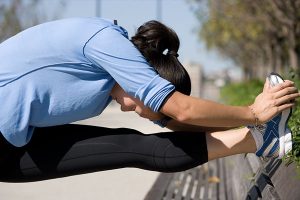
A hamstring refers to a solitary ‘string’ comprising three muscles – semitendinosus, semimembranosus, and biceps femoris – situated on the backside of your thighs. An injury or tear of your hamstring resulting from overloading or overstretching could lead to partial or total tearing of the muscles. Hamstring muscle injuries are prevalent in athletes and tend to be quite painful. Hamstring muscles are essential to movement. They enable you to bend your knees, and together with the quadriceps muscles (at the front of the thigh), they let you extend your knees. These important sets of thigh muscles are used for performing physical activities such as squatting, striding, and walking. Intense athletic activity such as training vigorously for a marathon or a racing competition puts athletes at great risk of suffering a hamstring sprain, strain or injury. Other possible risk factors for a hamstring tear or sprain include: How to Know if You’ve Pulled a Hamstring: Hamstring Injury Symptoms We thoroughly address how to know if you’ve pulled a hamstring, as well as signs of injury and self assessment techniques in the article “How to Know If You Pulled Your Hamstring”. Symptoms and signs of hamstring injury or sprain are based on the severity or extent of the injury, which can range from mild to severe. Mild tears cause minimal discomfort. However with a severe tear, you’ll struggle to perform everyday activities like standing, sitting or walking. A strain or sprain is graded based on the damage suffered by tendon fibers and muscles: Pulled Hamstring Treatment and Recovery Time Mild or minor injuries to the hamstring usually heal fairly quickly. To expedite the healing process, you can adopt the RICE (Rest, Ice, Compression, and Elevation) treatment method. It is the most popular therapeutic method for dealing with hamstring strains and sprains. This

Read More ›
Pulled Hamstring

Can Sciatica Cause Hip Pain?

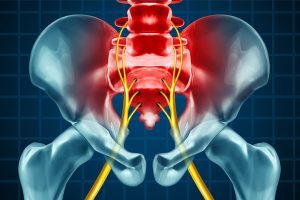
Key Takeaways Many patients describe being unable to get comfortable at night due to burning pain in their hip, only to find out it’s actually a nerve issue in the back. This article is for those experiencing hip or leg pain who are unsure whether it might be sciatica. What is Sciatica? Your hip joints, like your knee and ankle joints, are highly active joints that debilitate with age, causing you pain. More often than not, hip pain may not be related to your hips but could be traced to a pinched nerve in your lower back leading to pain going down the leg, commonly referred to as Sciatica. Though you might experience a sharp and shooting pain in the hip for many reasons, sciatica is one of the most common. The pain which travels along the neural pathway, usually results from compression or irritation of the nerve in the spine either from spinal bone spur, herniated disk, or other soft tissues. Sciatic nerve pain, which radiates from the lower back to the hips, buttocks and all the way to your toes, can be unbearable. Hip pain can also be a referred pain from arthritis in your low back.  Sciatic pain can sometimes be so oppressive and incapacitating that you may not feel like standing up if you’re sitting, or getting out of bed. The majority of cases and episodes of sciatica do not need surgical intervention as the severe pain subsides slowly and gradually either on its own, or through other conservative measures.   Can Sciatica Cause Hip Pain? Pain or ache in the hip area occurs typically because of arthritis or wear and tear of the hip joint. Sciatic pain or irritation of the sciatic nerve could happen due to the nerve roots’ compression originating from the lumbar spine.

Read More ›
foot care

The Most Common Over-the-Counter Pain Relievers Used for Orthopedic Issues

A variety of medications are available today to help patients feel more comfortable following orthopedic surgery or after a musculoskeletal-related injury. Pain relief allows people to get back to regular activity, improve strength, and recover from painful events more quickly. It also helps patients follow post-surgical physical therapy programs with more comfort and early success. Physicians recommend several different options for pain relievers to patients after surgery or injury. For pain control, these include non-steroidal anti-inflammatory drugs (NSAIDs), non-NSAIDs, and local anesthetics. As the industry moves away from prescribing opioids, new, alternative approaches, such as medical hypnosis and acupuncture, are sometimes employed to supplement conventional medicine as well. A combined approach to pain management is often the best option because it allows the surgeon to tailor pain control methods to each individual’s needs. What are the benefits of NSAIDs? Often, the first choice for mild to moderate orthopedic bone or nerve-related pain are over-the-counter (OTC) nonsteroidal anti-inflammatory drugs (NSAIDs) that alleviate pain while reducing inflammation at the site or source of the pain. OTC NSAIDs include aspirin, ibuprofen (Advil, Motrin) and naproxen (Aleve). How are these medications different? What are non-NSAID pain relievers? Non-NSAID pain relievers help moderate pain associated with muscle aches, pain, fever, headaches, and other common aches and pains, but they do not relieve inflammation. A non-NSAID pain reliever option is acetaminophen (Tylenol), and is often the pain reliever of choice if a person is on a blood thinner and cannot tolerate an NSAID. Acetaminophen is an analgesic which reduces pain signals within the nervous system and not at the site of the pain itself. What are topical pain relief options? Topical NSAIDs that are applied in small amounts directly to the skin, are an option for joint pain too and include diclofenac (Voltaren) or capsaicin ingredients. 

Read More ›
wrapping ankle

7 Common Orthopedic Injuries Seen at OrthoCare Express

Urgent musculoskeletal issues are more prevalent than you might think Every day of the week, our board-certified orthopedic surgeons and physician assistants provide prompt emergency evaluation and treatment for unexpected injuries of one’s bones, muscles, joints or connective tissue. Visiting an orthopedic urgent care facility, such as OrthoCare Express, ensures that you will be seen by a trained orthopedic physician or physician assistant who specializes in issues and injuries to the musculoskeletal system. 7 Common Orthopedic Injuries Orthopedic injuries are more common than people realize, and with the help of a trained specialist you can avoid the emergency room and be promptly diagnosed and treated for your unexpected injury. The most common orthopedic injuries we treat at our OrthoCare Express offices in Danbury, Darien, New Milford, Norwalk and Westport, Connecticut fall under a few main categories: 1. Fractures When someone comes in with a broken bone it is either an open or closed break. The physician will evaluate and x-ray it onsite to diagnose and treat the fracture. If the break is an open one, it needs to be treated immediately. Closed fractures are the most common and require treatment to ensure the bone is set properly. We commonly see fractures of the hand and wrist, and foot and ankle at our acute urgent care facilities. 2. Soft Tissue Injury Many injuries occur to the tendons, ligaments and muscles which work to hold the body together. A soft tissue injury can happen to almost any part of the body and we frequently see soft tissue injuries to the knee, ankle, hand, wrist, and rotator cuff. While a soft tissue injury may seem more benign than a fracture, it can sometimes take more time to fully heal than a break. Our specialists treat soft tissue cases in the urgent care facility

Read More ›
foot care

What is the Difference Between a Podiatrist and an Orthopedist?

People often ask what are the differences between Podiatry and Foot and Ankle Orthopedic Surgery. Below we answer the most frequent questions we hear. Both the podiatrist and orthopedic foot and ankle specialist at OrthoConnecticut are highly qualified, board-certified doctors with different training, expertise, and focus. A podiatrist is a doctor of podiatric medicine (DPM) and treats the bones, soft tissues, and joints of the foot and ankle, as well as skin conditions and mechanics of the foot/ankle. A podiatrist may also train in certain surgical techniques. A podiatrist frequently treats conditions such as corns, calluses, blisters, heel pain and spurs, bunions, fallen arches, hammer toe, biomechanical gait issues, nail disorders, warts, chronic wounds from diabetes, and other infections. A Foot and Ankle Orthopedic Surgeon is a fellowship-trained, board-certified Doctor of Medicine (MD) who can expertly diagnose, treat, and rehab injuries and diseases of the musculoskeletal system that affect muscles, bones, ligaments, tendons, and other connective tissues of the foot and ankle. This type of surgeon also addresses musculoskeletal issues of the foot and ankle that impact the rest of the body. Conditions you might see an orthopedic foot and ankle specialist for include fractures, sprains and strains, ligament tears, arthritis, tendonitis, deformities, and complex foot and ankle trauma, dislocations, and reconstruction. A foot and ankle orthopedic surgeon performs complex surgical procedures, not performed by a podiatrist. There can be some overlap in what a podiatrist treats and what an orthopedic foot and ankle specialist treats such as the simpler conditions of sprains and strains. Both a podiatrist and orthopedic foot and ankle specialist use non-surgical techniques like bracing, injectable treatments, physical therapy, and orthotics, as well as surgical treatments as needed to get you on the road to feeling better. Is it better to see a podiatrist or orthopedist?

Read More ›
Woman with flat feet holding ankles

Is Having Flat Feet a Disability? Should I Worry?

Should I Be Worried About Flat Feet? Story By Randolph Sealey M.D., Foot and Ankle Specialist at OrthoConnecticut. One of the most common patient consultations to my foot and ankle practice is a parent bringing their child in for evaluation of “Flat Feet.” The referrals for this common condition come from a range of sources; pediatricians, family members, coaches, shoe salesmen, dance instructors, military recruiters and worried parents.

Read More ›
woman riding bicycle in the park

Athletes Need to “Rest and Test” After COVID-19

Athletes Need to “Rest and Test” After COVID-19  Before Returning to Exercise and Sports Athletes and weekend warriors, who have had COVID-19, will need to take special care and be cleared before resuming exercise, intense training and/or competitive sports. Why? Because COVID-19, a viral infection, can cause heart complications such as arrhythmia or myocarditis. Since many people don’t actually know if they had Covid-19 (many people are non-hospitalized, mildly symptomatic, asymptomatic, or pre-symptomatic), this warrants caution for everyone. So, what to do? I feel fine… is it okay to exercise again? Here are some thoughts on returning to exercise and sports, but you must consult with your physician and your cardiologist to be sure you are cleared to exercise: Exercise and physical fitness, especially outdoors now that the weather is good, can be an excellent way to improve health and emotional well-being following the pandemic outbreak and stay-at-home period. If you had Covid-19, be sure you are knowledgeable about any impact on your heart and be sure to have a cardiologist engaged that will monitor your heart health as you build your musculoskeletal strength. OrthoConnecticut Can Help Our physicians and physician assistants advise caution beginning exercise after COVID-19 and recommend consultation with a cardiologist about any cardiac conditions. For exercise advice or orthopedic concerns we’re here to help. Contact us today for an appointment and #getmovingCT!

Read More ›
Man biking falls and hurts his shoulder

Shoulder Labrum Tears: What Are They?

Shoulder Labrum Tear Symptoms Do you feel aching pain in the front or back of your upper arm or shoulder? Do otherwise normal shoulder movements cause pain? Do you have less strength or less range of motion when lifting or throwing, or feel popping, grinding, catching, locking, or less stability when moving your arm? These are symptoms of a Shoulder Labrum Tear. What exactly is a shoulder labrum tear? A shoulder labrum injury, or dislocation, is an injury to the front or back ring of soft fibrous cartilage (called the labrum). The labrum surrounds the shoulder socket (glenoid) where the bicep tendon attaches to the upper arm bone (called the humerus). The labrum cartilage helps hold the head of the humerus in place and provides stability to the shoulder and upper arm. Three Types of Shoulder Labrum Tears Why a Shoulder Labrum Tear Happens How and why does this happen? Labral tears are difficult to prevent. People who experience this range from athletes to people 30 and over with overused and worn cartilage, to elderly with aging brittle cartilage. Younger people more often experience a labrum tear as a partially or completely dislocate the shoulder. What kinds of activities or accidents are prone to tears? Diagnosing Shoulder Labrum Tears What can you do for a shoulder labrum tear? It’s important to see your physician, or orthopedic surgeon, for proper diagnosis and treatment options. A physical exam may include: What tests are used in diagnosing? To help review the severity of the tear plus check for other possible shoulder issues, sometimes these tests are conducted: Treating Shoulder Labrum Tears Non-surgical steps are usually the first treatment option including: If surgery is necessary – what happens? Surgery, if required, has different options depending on level of tear or shoulder stability. For example:

Read More ›
Frozen Shoulder

Symptoms and Signs of a Frozen Shoulder

If you’ve had a “frozen shoulder”, you know this is an extremely painful condition where you are unable to move your shoulder or lift your arm upward or backward, either on your own or with the help of someone else. It’s scary when everyday activities such as sleeping, dressing, washing dishes, combing hair, clasping and unclasping a bra, or reaching for a wallet in a back pocket can become difficult or impossible. What is a frozen shoulder? First, to clear up a misconception, frozen shoulder is sometimes confused with arthritis, but the two conditions are unrelated – whereas signs of a rotator cuff tear could be instead a frozen shoulder. Sometimes called “adhesive capsulitis”, a shoulder “freezing” occurs when the shoulder’s joint capsule membrane thickens. This tissue band surrounding the joint becomes stiff and tight and can also grow new adhesions making mobility even more difficult. View OrthoConnecticut’s animation from ViewMedica, which illustrates this process well. Why does this happen? It’s not well understood why the shoulder “freezes”, but these situations make it more likely to happen: Who does this most often affect: What are the symptoms and stages? Signs and symptoms typically begin gradually, worsen over time and then resolve, usually within one to three years. The stages are fairly typical across patients: What can you do for a frozen shoulder? See a physician for a diagnosis which may include a review of symptoms, physical exam of arms and shoulder, and x-ray or MRI to identify structural issues. For 9 out of 10 patients, time and treatment bring relief. Here are some options to help reduce pain and improve functionality: Here is an interesting takeaway from OrthoInfo that reviews some of the basics of a frozen shoulder. OrthoConnecticut Can Help Our physicians and physician assistants are available to help

Read More ›
Female with back pain after dusting floor

Avoid Orthopedic Injuries When Cleaning

Take precautions when cleaning and avoid orthopedic injuries  During these unusual times, we all are busy cleaning our homes and wiping off delivered packages. Be sure to take adequate precautions to avoid musculoskeletal injury as you take care of your family and home. Here are a few tips for preventing or reducing accidents from happening. Watch Out For Falls Wear proper footwear. Athletic shoes or rubber soled shoes are preferred. Don’t wear sandals, open-toed shoes or shoes with slippery soles. Look for good traction. Watch out for long cords, toys, throw rugs, and other objects on the floor. Avoid wet floors and let your family members know when a floor was just mopped. Watch Your Back Be sure to lift packages and heavy cleaning supplies safely. Bend at the knees and not at the waist and use caution when vacuuming and mopping. Avoid overly repetitive motions that can cause injury. Use a lightweight upright vacuum if possible, with handles that are comfortable to the grip. Bend your knees and use a dustpan and brush to pick up recently swept piles. Avoid Ladder Injuries Use sturdy ladders that are in good condition. Don’t stand on chairs, desks, boxes or other objects in order to reach high areas. Never stand on the top rung of the ladder and don’t over-reach or lean too far to one side when standing on a ladder. Don’t use a step ladder as a straight ladder. Step ladders must be fully open with spreaders locked in place. Following these simple tips can help minimize orthopedic injury while staying safe and clean at home. Should you have an injury or experience severe pain, our orthopedic surgeons are available for emergencies. Be safe and avoid the hospital emergency department, especially now while it is busy managing Covid-19 patients. Visit

Read More ›