Search

GET MOVING!

Injury prevention, recovery tips, and orthopedic insights — stay informed with OrthoConnecticut’s blog.

Bunion Surgery

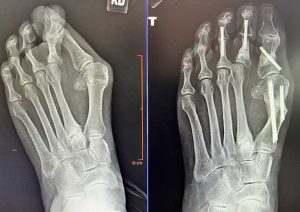
Exploring Minimally Invasive Bunion Surgery with the Arthrex System, Dr. Sealey’s Preferred Approach

Medically reviewed by Randolph J. Sealey, M.D.Bunions can be a real pain – both literally and figuratively. If you’ve been grappling with the discomfort of a bunion, you’re not alone. Many individuals find themselves longing for relief and a return to pain-free steps. Fortunately, advancements in medical technology offer a ray of hope, particularly in the realm of “MIS” – minimally invasive surgery for bunions. In this blog, we’ll take a closer look at how the Arthrex system, a favorite of OrthoConnecticut Foot & Ankle specialist, Dr. Randolph Sealey, is revolutionizing bunion surgery, making the journey to comfortable and pain-free feet more accessible than ever.

Read More ›
Kyphoplasty

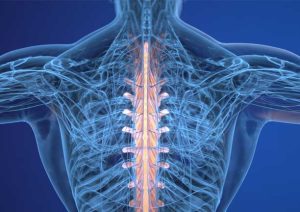
Kyphoplasty: A Swift Solution for Spinal Fractures

Medically reviewed by Justin C. Paul, M.D., Ph.D. Kyphoplasty is a revolutionary procedure for treating spinal fractures, providing both rapid relief and efficient recovery. At OrthoConnecticut, our skilled orthopedic specialists have extensive experience in performing kyphoplasty with a dedicated focus on precision and patient well-being. Prioritizing patient comfort and convenience, we offer kyphoplasty as an in-office procedure, ensuring a stress-free environment and recovery at home, which facilitates a positive experience throughout the entire process. Understanding Kyphoplasty Kyphoplasty is a specialized medical procedure designed for vertebral compression fractures, often caused by osteoporosis or traumatic injuries. The process involves a small incision, inserting a balloon-like device into the fractured vertebra, gently inflating it to create space, and injecting medical-grade bone cement to stabilize and restore the bone’s height. Benefits of Kyphoplasty 1. Swift Recovery One of the primary advantages of kyphoplasty is its quick recovery period. Unlike traditional open surgeries, this minimally invasive procedure allows patients to resume normal activities sooner, promoting a faster return to a normal daily routine. 2. In-Office Convenience OrthoConnecticut takes pride in offering kyphoplasty as an in-office procedure. This means patients can receive expert care without the need for a hospital stay, ensuring the comfort of a familiar environment for the procedure and recovery at home. 3. Pain Reduction Kyphoplasty provides rapid relief from the severe pain associated with vertebral compression fractures. By stabilizing the fractured vertebra, most patients experience immediate alleviation of discomfort, enhancing overall quality of life. Why Choose OrthoConnecticut for Kyphoplasty Choosing OrthoConnecticut for kyphoplasty ensures access to highly skilled orthopedic specialists with extensive experience in performing this procedure. With a dedicated focus on precision and patient well-being, our commitment to providing exceptional care is unwavering. Orthoconnecticut Spine Specialist, Dr. Justin Paul, is excited to offer this procedure which helps so many of his

Read More ›
Psoriatic-Arthritis

Psoriatic Arthritis: A Primer

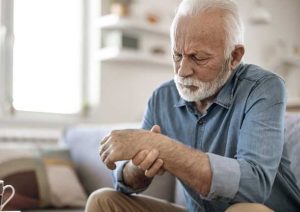
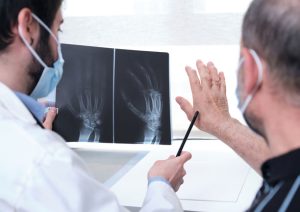
Psoriatic arthritis is a chronic autoimmune disease that affects millions of people worldwide. It is a type of inflammatory arthritis that causes joint pain, stiffness, and swelling, and is often accompanied by the skin condition psoriasis. Doctors help patients identify the symptoms of psoriatic arthritis. Early diagnosis and management are key and there are many treatment options to alleviate discomfort and slow disease progression. What is Psoriatic Arthritis? Psoriatic arthritis is a type of arthritis that affects people who have psoriasis, a skin condition characterized by red, scaly patches on the skin. It is an autoimmune disease, which means that the body’s immune system mistakenly attacks healthy cells and tissues, causing inflammation and damage. Psoriatic arthritis can affect any joint in the body, but it most commonly affects the joints in the fingers, wrists, knees, toes and ankles. It can also cause inflammation in the spine, leading to pain and stiffness in the neck and lower back. Symptoms of Psoriatic Arthritis The symptoms of psoriatic arthritis can vary and change over time. Some common symptoms include: Not everyone with psoriatic arthritis will have all of these symptoms. Some people may experience mild joint pain, while others may have severe joint damage and  disability. Diagnosing Psoriatic Arthritis Diagnosing psoriatic arthritis can be challenging, as its symptoms can be similar to other types of arthritis, such as rheumatoid arthritis. However, there are some key differences that can help doctors make an accurate diagnosis. Firstly, psoriatic arthritis usually affects the joints on both sides of the body, while rheumatoid arthritis typically affects joints on one side of the body. Additionally, psoriatic arthritis often causes swelling in the fingers and toes, while rheumatoid arthritis does not. To diagnose psoriatic arthritis, doctors will typically perform a physical exam, review the patient’s medical history, and order

Read More ›
Pinched-Nerve

Cervical Radiculopathy or “Pinched Nerve”: Finding Relief at the Spine Center at OrthoConnecticut

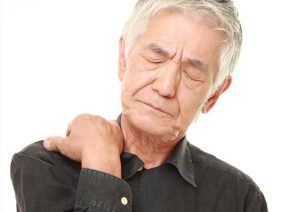
Medically reviewed by Abiola Atanda, M.D. Have you ever experienced a shooting pain, tingling, or weakness in your neck, shoulder, or arm? If so, you might be suffering from cervical radiculopathy or more commonly the term: “Pinched Nerve”, a condition that can be both uncomfortable and disruptive to your daily life. Fortunately, there are solutions available to help you regain your quality of life, and the Spine Center at OrthoConnecticut is here to provide comprehensive care, including surgical and non-surgical options. Understanding Cervical Radiculopathy Cervical radiculopathy is a condition that occurs when a nerve in the neck, often due to compression or irritation, causes symptoms to radiate down the arm. This condition can be caused by various factors, such as herniated discs, bone spurs, or degenerative changes in the spine. The symptoms of cervical radiculopathy can range from mild discomfort to severe pain, weakness, and numbness in the affected arm. Non-Surgical Options Surgical Options Why Choose the Spine Center at OrthoConnecticut? We are a premier destination for individuals suffering from cervical radiculopathy. Here’s why you should consider us for your spinal care: Cervical radiculopathy can be a painful and debilitating condition, but with the expert care provided by the Spine Center at OrthoConnecticut, you can find relief and regain your quality of life. Whether you opt for non-surgical treatments or require surgical intervention, our team is here to guide you through the journey to recovery. Don’t let cervical radiculopathy hold you back – contact the Spine Center at OrthoConnecticut and take the first step toward a pain-free future. Related Resources:

Read More ›
Quadriceps Tendon Repair Post Op Protocol

Quadriceps Tendon Repair Post Op Protocol

Quadriceps tendon repair is typically needed for individuals who have sustained an injury or tear in the quadriceps tendon. Read on to learn more about general post op protocols, what the best sleeping options are post op, when one can expect to walk and exercise post op, as well as tips on speeding up recovery. The quadriceps tendon is a thick, strong tendon that connects the quadriceps muscles in the thigh to the patella (kneecap). This tendon is essential for normal knee function and allows for movements such as running, jumping, and walking. Quadriceps tendon injuries can be sustained due to a number of reasons, including: Individuals who may require quadriceps tendon repair often experience symptoms such as severe pain, swelling, difficulty walking or extending the knee, and a noticeable gap or indentation above the patella where the tendon has torn. Quadriceps tendon surgical repair is typically recommended for individuals who have significant tears or complete ruptures of the tendon. What does typical Quadricep tendon repair post op protocol look like? The postoperative recovery for Quadricep tendon repair may vary depending on the surgeon’s preferences, the extent of the injury, and individual patient factors. A general outline of a typical postoperative protocol for quadriceps tendon repair looks something like this: Immobilization Following surgery, the knee is usually placed in a hinged knee brace or a cast to protect the repair and promote healing. The immobilization period may last for several weeks, during which weight-bearing is restricted or completely prohibited. Ice and Elevation Ice therapy and elevation are commonly recommended to reduce pain, swelling, and inflammation. Ice packs or using an ice machine can be applied to the surgical site for 15-20 minutes at a time and elevating the leg above heart level can help in the early stages of recovery.

Read More ›
Cracking Your Neck

Is Cracking Your Neck Bad For You?

Cracking or popping your neck occasionally is generally considered harmless for most people. It is commonly associated with the release of gas bubbles within the joints, specifically the facet joints in the neck. This release of gas can create a cracking sound. However, cracking your neck excessively or forcefully may have potential risks and should be avoided. What are some of the reasons people crack their neck? People may crack their neck for various reasons, including: What are the benefits of neck cracking? Can Cracking Your Neck Be Bad? How Can OrthoConnecticut Relieve Neck Pain? It’s important to note that individual experiences may vary, and what may be harmless for one person could cause issues for another. If you experience chronic neck discomfort or feel the need to crack your neck frequently for relief, it is recommended to seek professional help. OrthoConnecticut’s orthopedic specialists and chiropractors can assess your condition, provide appropriate treatment, and guide you on safe and effective ways to manage neck-related concerns. Related Resources:

Read More ›
Pediatric Bone & Joint Day

What is Pediatric Bone & Joint Day?

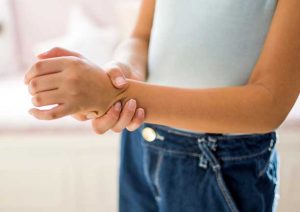
World Pediatric Bone and Joint Day is an observance held on October 19th each year. The day aims to raise awareness about pediatric musculoskeletal conditions, promote early detection and treatment, and emphasize the importance of bone and joint health in children. World Pediatric Bone and Joint Day focuses on various conditions affecting the bones and joints in children, such as fractures, growth plate injuries, scoliosis, developmental dysplasia of the hip, and other musculoskeletal disorders. The goal is to educate the public, healthcare professionals and policymakers about these conditions and their impact on children’s overall health and quality of life. Fractures The most common fracture among children is the distal radius fracture, also known as a wrist fracture. This type of fracture occurs in the area near the wrist joint, usually as a result of a fall onto an outstretched hand. Distal radius fractures are particularly common in children due to their active nature, involvement in sports and recreational activities, and the fact that their bones are still developing and are more prone to injury. Growth Plate Injuries Growth plate injuries, also known as epiphyseal plate injuries or physeal fractures, occur in the cartilaginous growth plates at the ends of long bones in children and adolescents. The growth plates are responsible for bone growth and development, and they gradually close as a person reaches skeletal maturity. These injuries typically occur in children and adolescents whose bones are still growing. The growth plates are weaker than the surrounding bone, making them more susceptible to injury. Growth plate injuries can happen due to various causes, such as trauma from a fall, sports-related activities, or accidents. Scoliosis Scoliosis is a condition characterized by an abnormal sideways curvature of the spine. When it occurs in children and adolescents, it is known as adolescent idiopathic scoliosis

Read More ›
Bunionectomy Surgery

Top Tips for Recovering from Bunionectomy Surgery

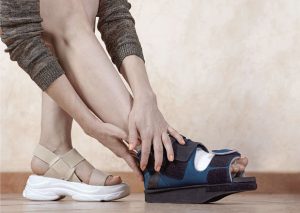
Medically reviewed by Paulina Piekarska, D.P.M. A.A.C.F.A.S. Recovering from bunionectomy surgery requires time and proper care to ensure optimal healing. Here are some top tips to help you during your recovery: 1. Follow post-operative instructions: Strictly adhere to the instructions provided to you by your surgeon or healthcare provider. This includes guidelines on wound care, dressing changes, weight-bearing restrictions, and medication usage. 2. Elevate your foot: Elevating your foot above the level of your heart helps to reduce swelling and promotes blood circulation. Aim to keep your foot elevated as much as possible, especially during the first few days after surgery. 3. Ice therapy: Applying ice packs or the use of an ice machine, on the surgical area for 15-20 minutes at a time, several times a day, can help reduce swelling and manage pain. Be sure to use a thin cloth or towel as a barrier between the ice pack/machine and your skin to avoid frostbite. 4. Pain management: Take prescribed pain medications as directed by your healthcare provider to manage post-operative pain. If allowed, over-the-counter pain relievers like acetaminophen or non-steroidal anti-inflammatory drugs (NSAIDs) can also be used, following the recommended dosage and consulting with your doctor. 5. Wear proper footwear: Your surgeon will provide recommendations for appropriate footwear during the recovery period. It is essential to wear comfortable, roomy shoes or sandals that accommodate any dressings or surgical bandages. Avoid tight-fitting or restrictive shoes that could impede healing or cause discomfort. 6. Practice gentle foot exercises: Engage in the recommended foot exercises and mobility exercises provided by your physical therapist or healthcare provider. These exercises promote circulation, prevent stiffness and aid in the recovery of normal foot function. 7. Gradual weight-bearing and mobility: Follow your orthopedic surgeon’s instructions regarding weight-bearing restrictions and the use of crutches, walkers,

Read More ›
Juvenile Arthritis Wrist Pain

Juvenile Arthritis Diet Tips for Managing Pain

Juvenile arthritis (JA) refers to a group of chronic inflammatory diseases that affect children and teenagers. An autoimmune condition, the exact cause of juvenile arthritis is not yet fully understood, but it is believed to involve a combination of genetic and environmental factors. It is important to work with a doctor to help guide you and your child through JA. The discussion of medication, pain management, physical activity, emotional support, and diet is critical to the overall well being of your child. It can seem overwhelming, but one of the easiest changes to make in the life of a child with JA is through food. Eating a healthy diet is important for any growing child, but children with juvenile arthritis (JA) face an additional challenge: Eating foods that promote growth and development and help quiet inflammation. Diet can play a role in managing the symptoms of juvenile arthritis. While there is no specific diet that can cure the condition, certain dietary choices may help reduce inflammation, support overall health, and improve symptoms. Here are some diet tips for managing pain in juvenile arthritis: Healthy eating should also be family-friendly. Eating to support a child with JA is good for the entire family, so avoid singling anyone out and ensure the entire family enjoys this healthy approach to nutrition and diet. Lastly, ask for help. It’s a great idea to work closely with a healthcare professional, such as a registered dietician in concert with your child’s rheumatologist, to help provide personalized dietary recommendations and guidance based on your child’s specific condition and needs. Related Resources:

Read More ›
Shin Splints in Kids

Shin Splints in Kids: A Guide to Treatment

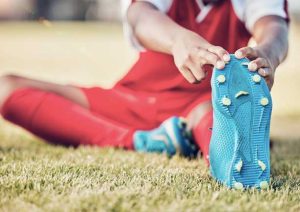
Medically reviewed by Angelo Ciminiello, M.D. Yes, children can get shin splints. Shin splints, also known as medial tibial stress syndrome, can occur in children who engage in activities that involve repetitive impact on the legs, such as running, jumping, or playing sports like soccer or basketball. Shin splints can be a common source of discomfort and pain for young athletes, but with proper knowledge and proactive measures, they can be effectively managed. In this article, we will explore the symptoms, causes, diagnosis, and treatment options for shin splints in kids. By understanding these key aspects, parents, coaches, and young athletes themselves can work together to ensure a safe and healthy sporting experience. So, let’s dive into the world of shin splints and discover how to keep young feet moving with confidence and comfort. Symptoms of Shin Splints The symptoms of shin splints in children may include: If your child is experiencing symptoms of shin splints, it’s essential to provide them with adequate rest and avoid activities that exacerbate the pain. Applying ice packs to the affected area and using over-the-counter pain relievers can help reduce inflammation and discomfort. Stretching and strengthening exercises prescribed by a healthcare professional may also aid in recovery. Causes of Shin Splints Overuse and repetitive stress: Engaging in high-impact activities, such as running, dancing, and jumping, without proper conditioning and gradual progression can strain the muscles and tendons in the lower leg, leading to shin splints. Sudden increase in activity level: A rapid increase in training intensity, duration, or frequency can overload the muscles and tissues in the lower leg, increasing the risk of developing shin splints. Improper footwear: Wearing shoes that lack proper support, cushioning, or do not fit well can contribute to the development of shin splints. Inadequate shock absorption can increase stress

Read More ›
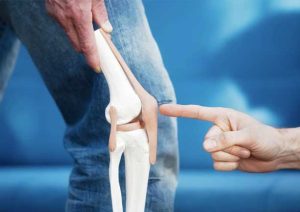
hip problems

What are the First Signs of Hip Problems?

Recognizing the early signs of hip problems is crucial for timely intervention and effective treatment. The hip joint plays a vital role in mobility and bears a significant amount of weight, making it susceptible to various conditions. By understanding the initial signs, you can take proactive steps to address hip issues before they worsen. In this article, we will explore the common early signs of hip problems and the importance of seeking medical attention for accurate diagnosis and appropriate treatment. The First Signs of Hip Problems Recognizing the early signs of hip problems is crucial for early intervention and appropriate treatment. The hip joint is essential for mobility and bears a significant amount of weight, making it susceptible to various conditions. By understanding the initial signs, you can take proactive steps to address hip issues before they worsen. Common early signs of hip problems that you should be aware of are: If you notice any of these early signs of hip problems, it is important to consult a healthcare professional, such as an orthopedic specialist, for a comprehensive evaluation. They can perform a physical examination, order diagnostic tests if necessary, and provide an accurate diagnosis. Early intervention and appropriate treatment can help manage hip problems effectively, alleviate pain, and improve your quality of life. Where Do You Feel Pain if Your Hip is Bad? If you’re experiencing hip problems, you may feel pain in different areas associated with the hip joint. The location of the pain can vary depending on the underlying cause. One common area is the groin, where you may feel deep pain that radiates down the thigh or buttock. Additionally, pain can be felt on the outer side of the hip, known as the lateral hip, or in the buttocks. Some hip conditions may cause pain that

Read More ›
pulled-hamstring-how-to-know

How to Know If You Pulled Your Hamstring

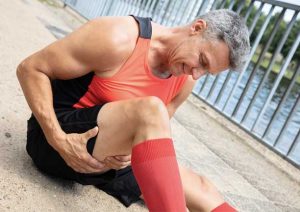
Medically Reviewed by Dr. Angelo Ciminiello Key Takeaways This guide is for active adults, athletes, or weekend warriors who suspect they’ve pulled their hamstring and want to know what signs to look for and what to do next. A hamstring strain, also known as a pulled hamstring, is a common injury that occurs when the muscles at the back of the thigh are stretched or torn. It typically happens during activities that involve sudden movements, excessive stretching, or forceful contractions of the hamstring muscles. The severity of a hamstring strain can range from mild to severe, affecting mobility and causing pain. Common causes of hamstring strains include inadequate warm-up, muscle imbalances, fatigue, and previous injuries. Factors like age, poor flexibility, and inadequate conditioning can also increase the risk. Recognizing the signs and symptoms of a pulled hamstring is important for diagnosis and appropriate treatment. 7 Signs of a Strained Hamstring A strained hamstring can be identified by several signs that indicate injury or damage to the muscles or tendons at the back of the thigh. Here are 7 key signs to watch for: 1. Pain One of the most common signs of a strained hamstring is pain in the back of the thigh. The intensity of the pain may vary depending on the severity of the strain. 2. Tenderness The affected area may feel tender to the touch. Gentle pressure on the hamstring muscles can elicit discomfort or pain. 3. Swelling In some cases, a strained hamstring may cause swelling around the injured area. The swelling may be localized or spread across a larger portion of the thigh. 4. Bruising If the strain is severe, it can lead to bruising around the hamstring muscles. The presence of bruising indicates internal bleeding or tissue damage. 5. Muscle Weakness A strained hamstring

Read More ›
Osteoarthritis

What are the Four Stages of Osteoarthritis?

Medically Reviewed by Dr. Angelo Ciminiello Key Takeaways Are you experiencing joint pain or stiffness and want to understand the progression of osteoarthritis? Osteoarthritis(OA) is a degenerative joint disease that results from the gradual breakdown of joint cartilage, which cushions the ends of bones and allows them to move smoothly against each other. As the cartilage wears down, bones may rub against each other, causing pain, stiffness, swelling, and other symptoms. OA can affect any joint, but it most commonly occurs in weight-bearing joints such as the hips, knees, and spine, as well as in the hands and feet. The exact cause of OA is not fully understood, but it is thought to be a combination of factors, including aging, genetics, previous joint injuries, and obesity. There is no cure for OA, but treatments such as pain management, physical therapy, and lifestyle modifications can help manage symptoms and slow the progression of the disease. In severe cases, joint replacement surgery may be necessary. The Four Stages Osteoarthritis is a degenerative joint disease that typically progresses slowly over time. There are generally four stages of osteoarthritis. Please note that not every person with osteoarthritis will experience all four stages, and the progression can be different for different people. Also, it’s always recommended to consult with a medical professional to determine the appropriate treatment options. Here are the signs and symptoms, diagnosis, and treatment options for each stage of osteoarthritis: Stage 1: Minor Signs and symptoms: Minor wear and tear in the joint with minimal symptoms, such as mild pain, stiffness, or swelling after physical activity. There may be slight joint space narrowing visible on X-rays. Diagnosis: Physical examination, X-rays, and MRI may be used to confirm the diagnosis and assess the degree of cartilage damage. Treatment: Treatment options may include lifestyle

Read More ›
Elbow Pain

Compression Socks After Surgery: What You Need to Know

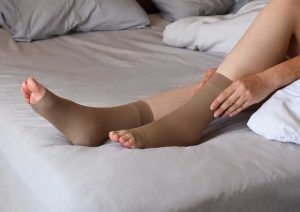
Medically Reviewed by Dr. Paulina Piekarska Key Takeaways If you’ve just had surgery, compression socks might seem like a small detail, but they can make a big difference in your recovery. This guide is for post-orthopedic surgery patients looking to optimize recovery and reduce complications. Not only do compression socks improve blood circulation and reduce the risk of blood clots, but they can also help alleviate swelling and discomfort. We’ll explore exactly what compression socks are, and some of the most common questions we get relating to wearing them after surgery. Let’s dive in! What are Compression Socks? Compression socks are specialized socks that are designed to improve blood flow in the legs by applying pressure to the lower limbs. In the medical field, they are commonly used to prevent and treat various conditions such as deep vein thrombosis, edema, and varicose veins. Doctors often recommend them after surgery because they help reduce swelling, boost circulation, and lower your risk of complications. Compression socks come in a variety of styles and strengths, and should be worn as directed by a healthcare provider. Most Common Questions About Wearing Post-Surgical Compression Socks: Why do I need to wear compression socks after surgery? Compression socks are designed to help improve blood flow and circulation in the legs. They do this by applying pressure to the legs in a graduated manner, with the most pressure at the ankle and gradually decreasing up the leg. This helps to push blood and other fluids back up toward the heart, reducing the risk of blood clots and swelling in the legs. Compression socks are often used by people who spend a lot of time sitting or standing, such as travelers, office workers, and people with varicose veins or other circulation problems. They can also be helpful for

Read More ›
Elbow Pain

Why Does My Elbow Hurt When I Bend It?

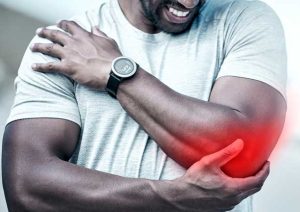
Elbow pain can be a frustrating and debilitating condition that affects people of all ages and activity levels. It can make even simple tasks like getting dressed or lifting objects difficult, and can severely impact a person’s quality of life. There are many different causes of elbow pain, ranging from overuse injuries to fractures and dislocations. In this article, we will explore some of the most common causes of elbow pain and their associated symptoms, as well as discuss some of the most effective treatments for alleviating elbow pain and restoring function to the joint. Whether you are an athlete dealing with a sports-related injury or simply someone experiencing chronic elbow pain, this article will provide you with the information you need to understand your condition and find relief. My Elbow Hurts When I Bend and Straighten It: What Gives? Elbow pain can cause difficulty when getting dressed, cooking, lifting and of course when playing racket sports. Because the elbow is a complex joint, made up of bones, muscles, ligaments (connecting the bones) and tendons (connecting muscles to bone), it isn’t always easy to determine what is causing elbow pain. Some of the most common causes for elbow pain are: 1. Tendonitis When the tendons in the elbow become inflamed, most often due to repetitive or overuse, the result is tendonitis. Tendonitis can cause pain that radiates from the elbow up the arm or down the arm, depending on which of the two tendons are affected. 2. Tennis Elbow and Golfer’s Elbow These conditions are also a form of tendonitis, resulting from overuse of the tendons in the arm. Tennis elbow is a result of inflammation of the outer arm, while Golfer’s elbow results in pain along the inner arm. These conditions are not restricted to those who play golf or tennis

Read More ›
Toe Pain

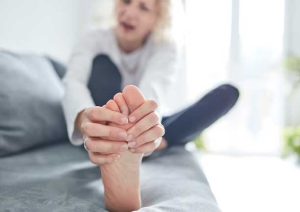
Toe Pain Causes: 6 Most Common Reasons Your Toe Hurts

Medically reviewed by Dr. Randolph Sealey Key Takeaways If you’re dealing with toe pain that’s interfering with daily life, this guide is for you. Whether you’re a runner, a weekend athlete, or someone simply struggling to walk comfortably, we’ll help you pinpoint the cause and what to do about it. The toes contain 14 bones, as well as joints, muscles, ligaments, nerves, and blood vessels, all of which can be injured, compressed or infected. The truth is, there are a multitude of reasons why your toes may be hurting, from minor injuries to serious medical conditions. In this article, we will explore the 6 most common causes of toe pain, including arthritis, hammer toe, and neuroma, and discuss their symptoms and treatment options. We’ll also provide tips for relieving toe pain at home, as well as guidance on when to see a doctor. So, if you’re looking to learn more about the possible causes of your toe pain, read on to discover what you need to know. 6 Most Common Causes of Toe Pain 1. Broken, dislocated or sprained toes After an injury to the foot, you may notice swelling and bruising, and feel pain in one or more toes. These types of injuries can often resolve on their own with icing, pain relievers, rest and elevation.  If pain and swelling persist after three days, consult a physician, particularly if the injury is in the big toe. 2. Arthritis (including Gout and Hallux Rigidus) Toe Osteoarthritis Caused by wear and tear of the cartilage in the joint, most often in the big toe, arthritis can cause pain, aching, and possibly burning. It can also lead to pain in the arch and the other toes. This can be treated with pain relievers and ice, as well as a change in footwear.


Read More ›
acl-surgery

What to expect after ACL Reconstruction Surgery

Post-operative recovery following ACL reconstruction typically involves a rehabilitation program that includes a customized combination of physical therapy, exercises, and rest. The goal of rehabilitation is to regain range of motion, strength, and stability in the knee. This process can take several months and may include the use of crutches, bracing, and other assistive devices. Physical therapy is generally started within the first week or two after surgery and may continue for several months. It is important to follow your surgeon’s instructions and adhere to the rehabilitation plan to ensure the best possible outcome.

Read More ›
jogging in winter

Exercising in Cold Weather: Here’s How You Can Take Advantage of the Benefits While Staying Safe!

Now that temperatures are getting cooler, many of our patients halt their outdoor workout routines (running, walking, outdoor sports) to avoid the chilly temperatures.  While it’s tempting to take the cold weather months off and simply curl up by the fireplace with a good book or binge a series, the truth is there are many benefits to working out in colder temperatures. What Are The Benefits Of Working Out In Cold Weather? Studies have shown that working out in colder temperatures can actually improve your endurance and boost your metabolism. This is because your body needs to work harder to perform in colder temperatures to generate enough heat to keep your muscles and organs warm.  The result is burning more calories while performing the same tasks in warmer temperatures.  While working out in the heat causes you to sweat and become exhausted more easily, cold-weather workouts usually enable you to go longer without those factors, allowing you to build endurance and stamina. Moreover, getting a dose of sunlight when working out outdoors provides a dose of Vitamin D and a release of endorphins, both of which improve your mood and can help fight against Seasonal Affective Disorder (which can cause depression in the darker winter months). Studies have also shown that people who exercise in the cold experience improvement in decision-making, focus, and memory. When is it too cold to exercise outside? While the ideal cooler temperature to work out in is around 50 degrees, the American College of Sports Medicine has stated that “exercise can be performed safely in most cold-weather environments without incurring cold-weather injuries. However, they recommend avoiding an outdoor workout in wind chill temperatures lower than -18 degrees. What are the best outdoor exercises in cold weather? All “cardio” or aerobic exercises like running, fast walking, jogging or

Read More ›